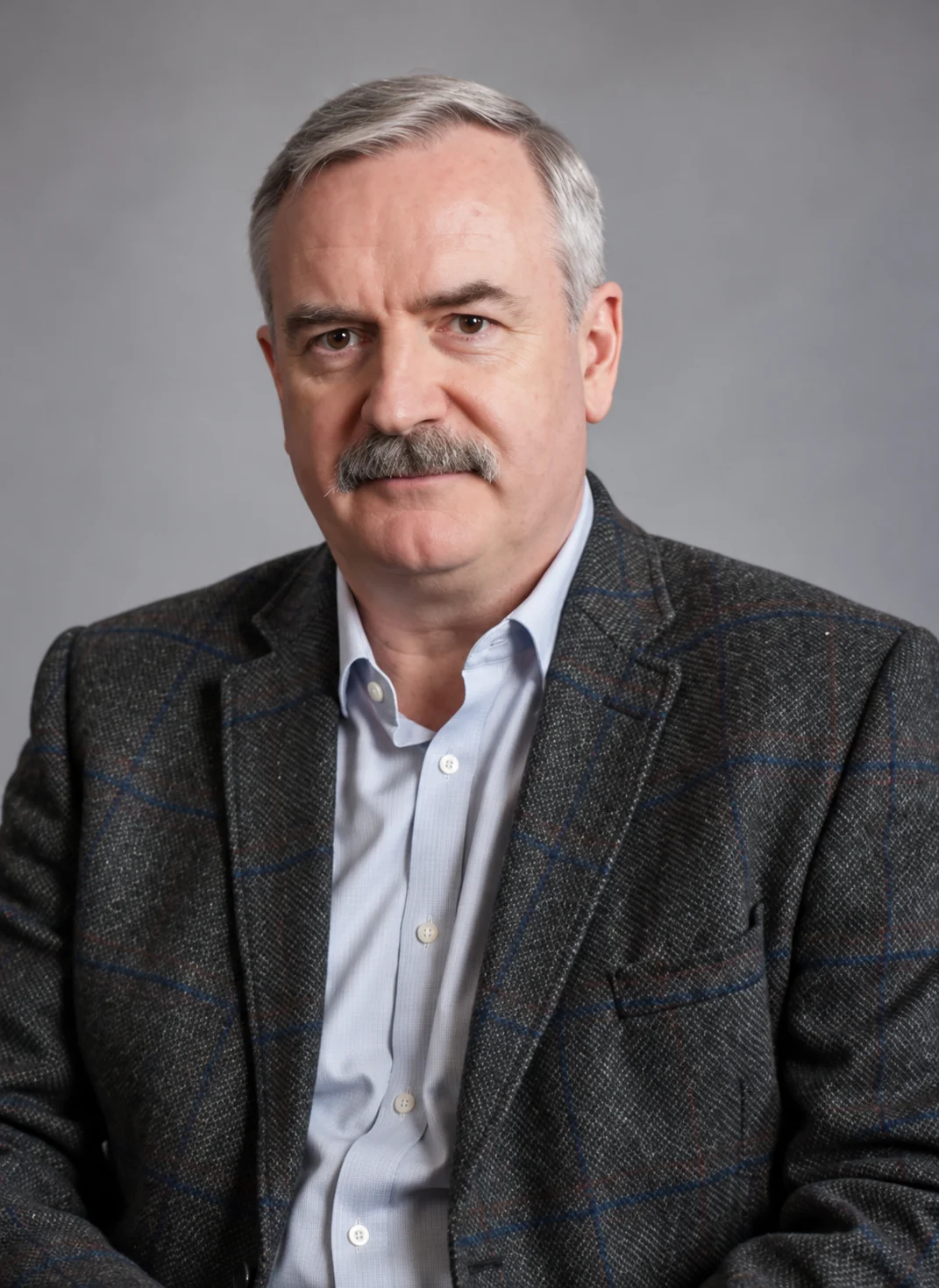
Department of Modern English Language and Linguistics
Professor Malcolm B. A. Dankworth is a leading authority on forensic linguistics, specialising in authorship attribution, linguistic evidence and the quantitative analysis of disputed texts. His research is characterised by methodological rigour and a commitment to the elimination of subjective interpretation from forensic linguistic practice. His latest book, Dead Giveaways: Identifying Criminal Activity Through Forensic Linguistics (2026), represents the culmination of more than two decades of independent research into the identification of criminal behaviour through language. His work was used as the basis for the popular crime drama Dark Words, starring Jack Swain. Professor Dankworth acted as an advisor for the series.
Research Impact
Professor Dankworth’s work in forensic linguistics has reached audiences beyond academia through the television crime drama Dark Words, starring Jack Swain. Drawing on his research into linguistic evidence, authorship attribution and the identification of criminal behaviour through language, the series has introduced aspects of forensic linguistic analysis to a wider public. Professor Dankworth served as an academic consultant to the production and has been described as an inspiration for its central detective.
Although Professor Dankworth has not personally viewed the programme, he welcomes its contribution to public understanding of the discipline.
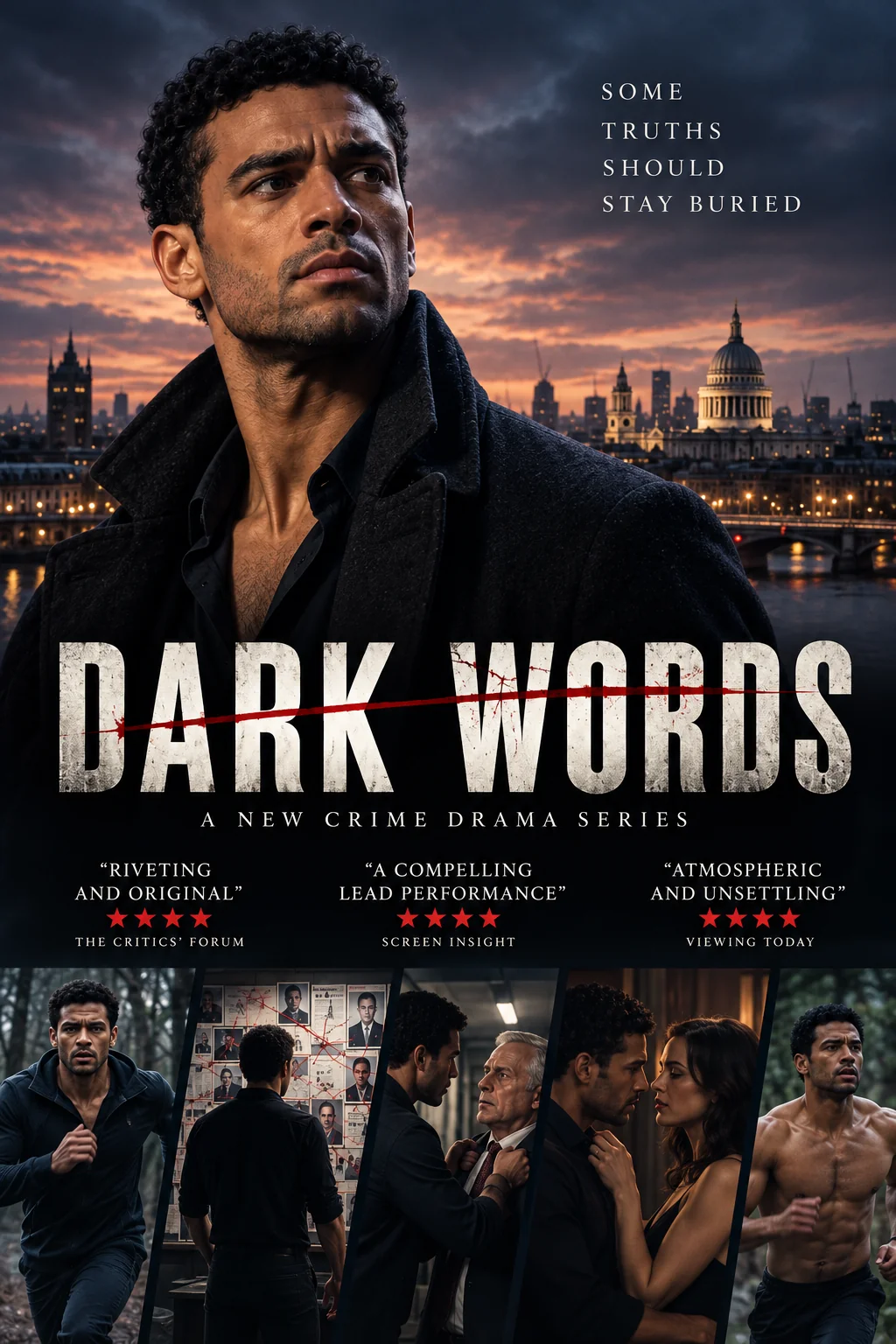
Watch the Dark Words trailer
Professor Dankworth discusses Dark Words
In a short interview, Professor Dankworth reflects on the programme’s popularity and the importance of bringing rigorous linguistic research to television audiences.
Teaching
MELL316 Forensic Linguistics
MELL317 Psycholinguistics
Publications
- Dankworth, M. B. A. (2026) Dead Giveaways: Identifiying Criminal Activity Through Forensic Linguistics. Heavyweight Press: Birmingham.
- Dankworth, M. B. A. (2023) The evidential status of sentence-final punctuation in anonymous electronic correspondence: a reassessment of current practice. Journal of Forensic Inquiry 19(1): 1–87.
- Dankworth, M. B. A. (2020) On the inadmissibility of impressionistic judgements in forensic authorship attribution. International Review of Forensic Language Evidence 12(3): 201–296.
- Dankworth, M. B. A. (2018) The Flesch Reading Ease Scale versus The Gunning Fog Index: critical considerations for author identification. Journal of Forensic Inquiry 14(2): 36-114.
- Dankworth, M. B. A. (2016) The significance of gradable adverbs in a forensic examination of text message behaviour. Significations 54(3): 411-502.
- Dankworth, M. B. A. (2013) A quantitative reassessment of apostrophe omission in disputed authorship cases. Journal of Forensic Inquiry 9(4): 301–379.
- Dankworth, M. B. A. (2010) The evidential value of function-word sequences in anonymous threatening correspondence. International Review of Forensic Language Evidence 4(2): 87–163.
- Dankworth, M. B. A. (2007) Distinguishing idiolectal variation from orthographic incompetence in forensic text comparison. Journal of Forensic Inquiry 3(1): 1–68.
- Dankworth, M. B. A. (2004) The forensic significance of inconsistent hyphenation in anonymous written communications. Significations 42(2): 155–219.
- Dankworth, M. B. A. (2001) Towards a more rigorous methodology for the identification of anonymous authors. Journal of Applied Linguistic Evidence 6(3): 201–264.
- Dankworth, M. B. A. (1998) The distribution of semicolons in nineteenth-century private correspondence: a comparative investigation. Historical Linguistic Studies 17(2): 113–186.
- Dankworth, M. B. A. (1995) Orthographic variation in the correspondence of minor Victorian civil servants, 1840–1870. Journal of English Historical Philology 9(1): 27–104.